DEPARTMENT OF SOFTWARE ENGINEERING
- Introduction
- Facilities
- Academic Programs
- Faculty
- S.E Lab
- Data Center
INTRODUCTION
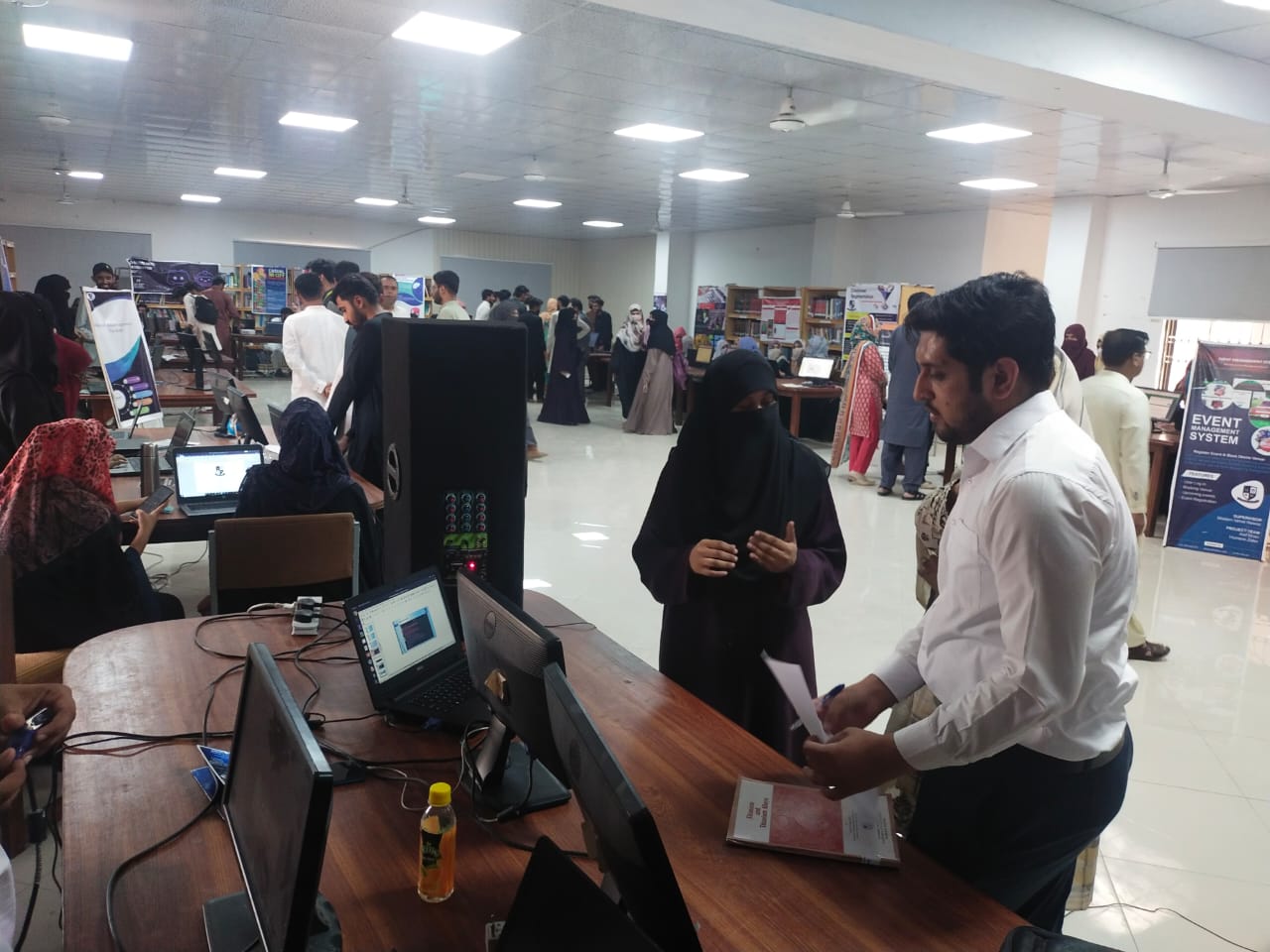
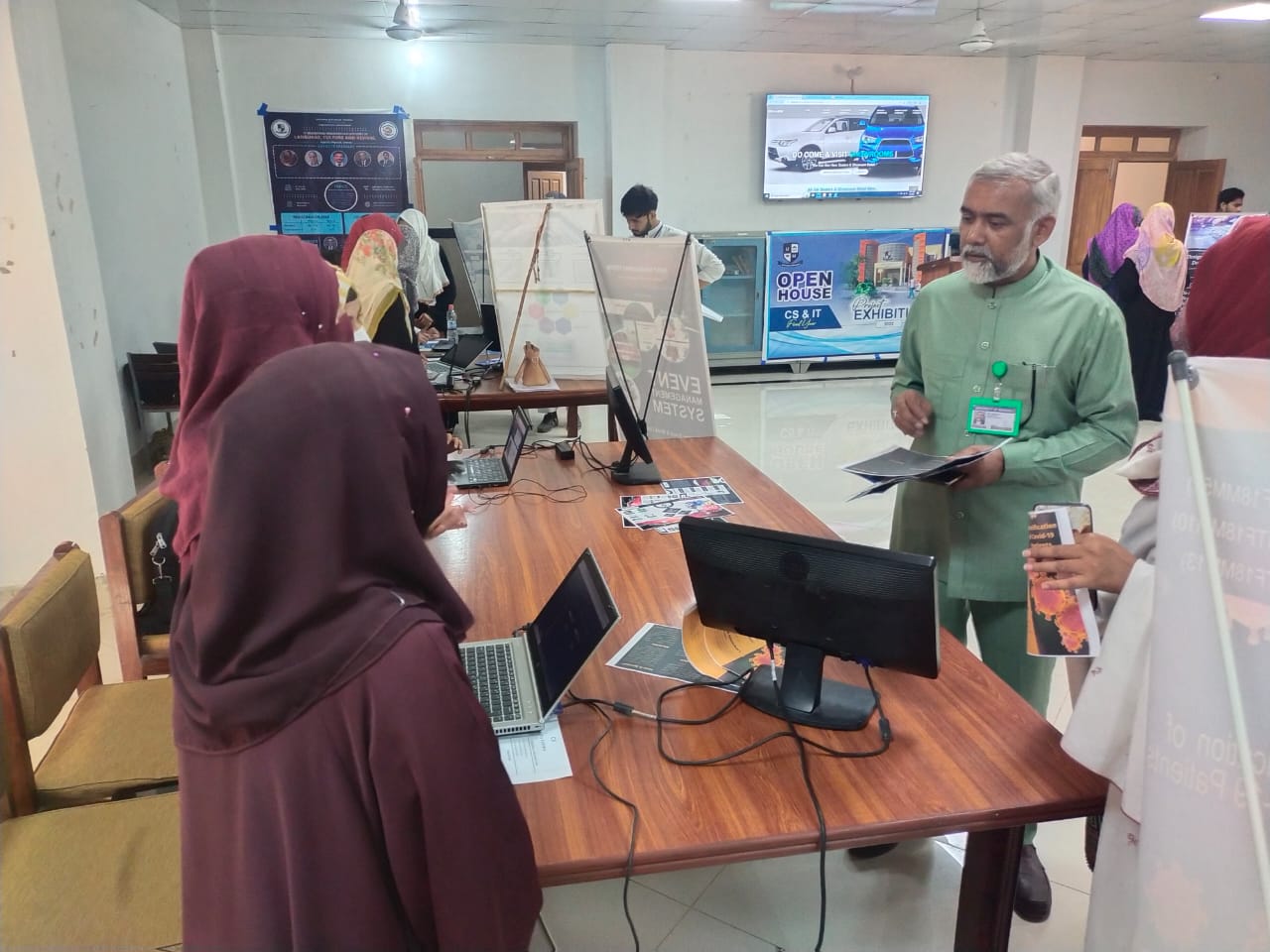
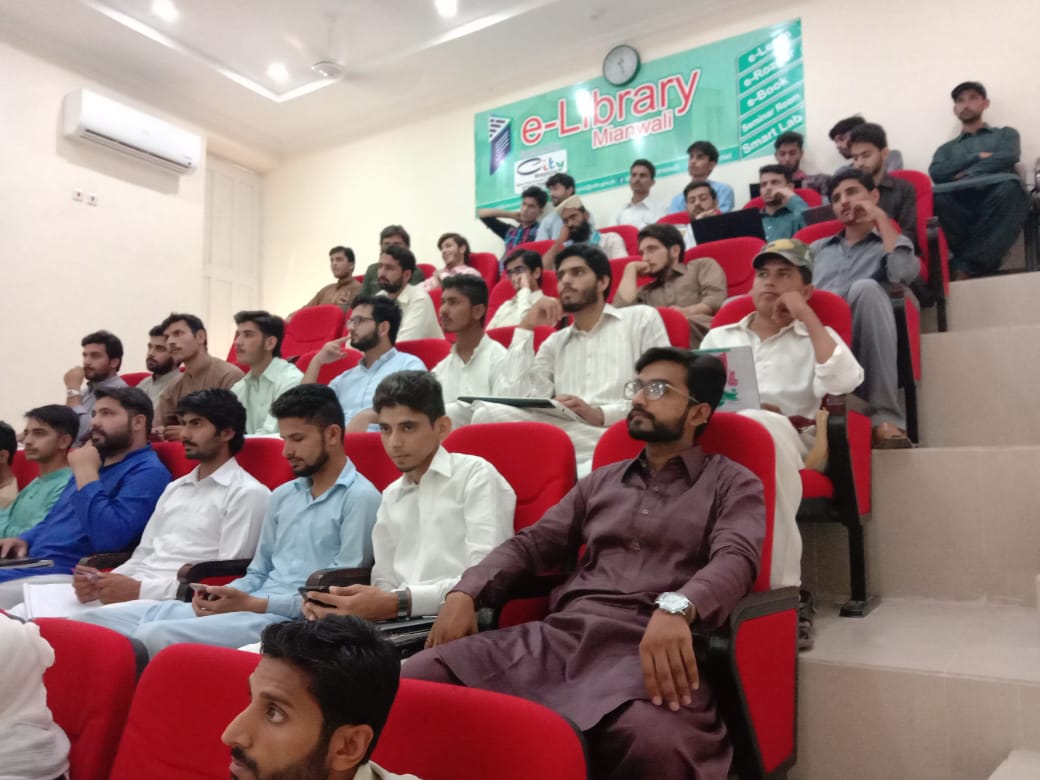
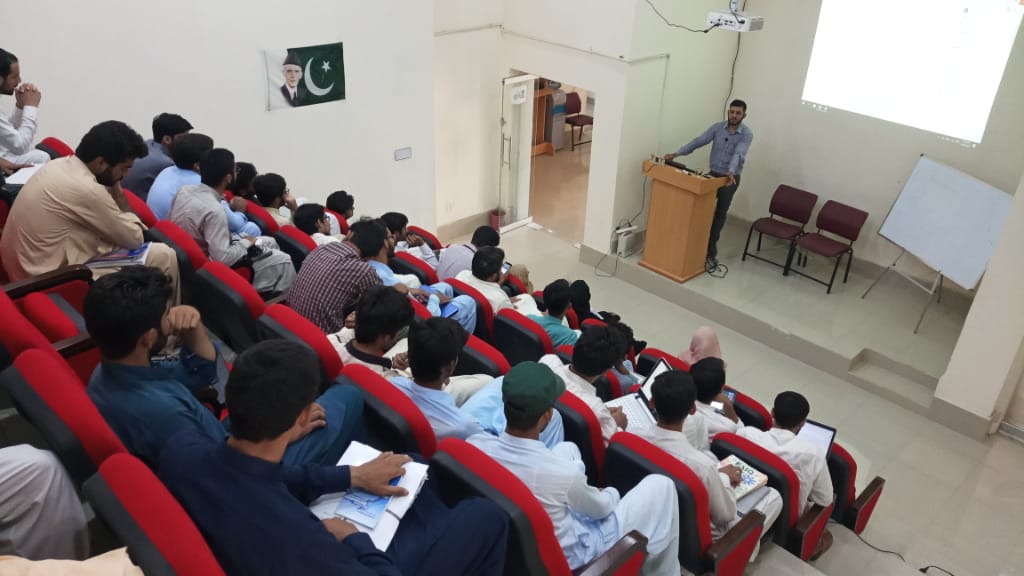
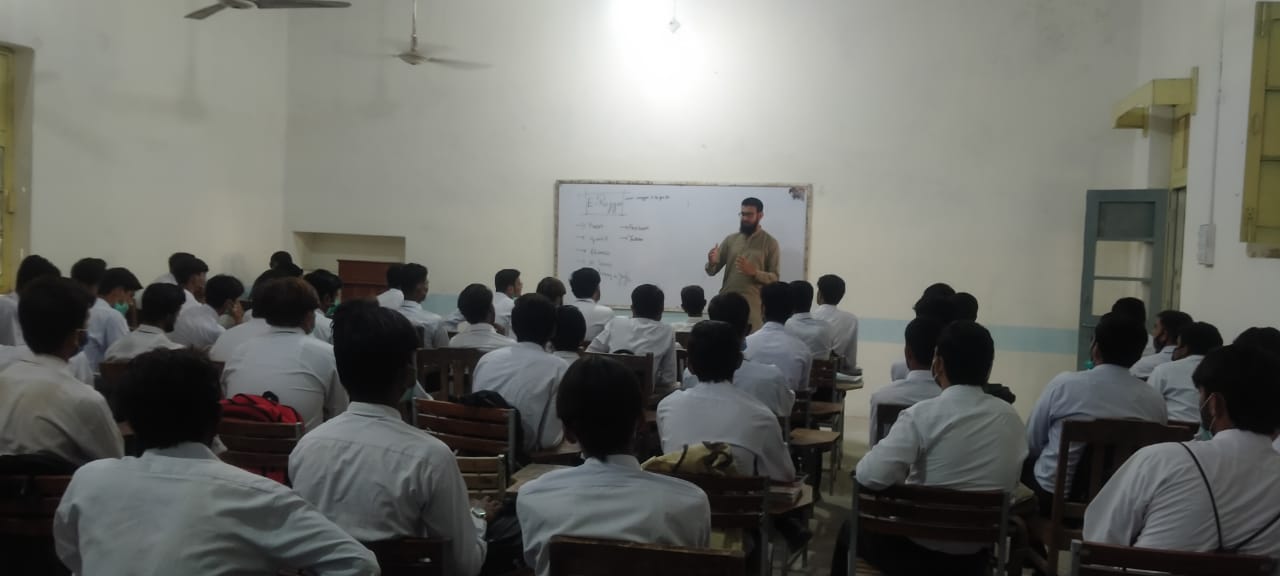
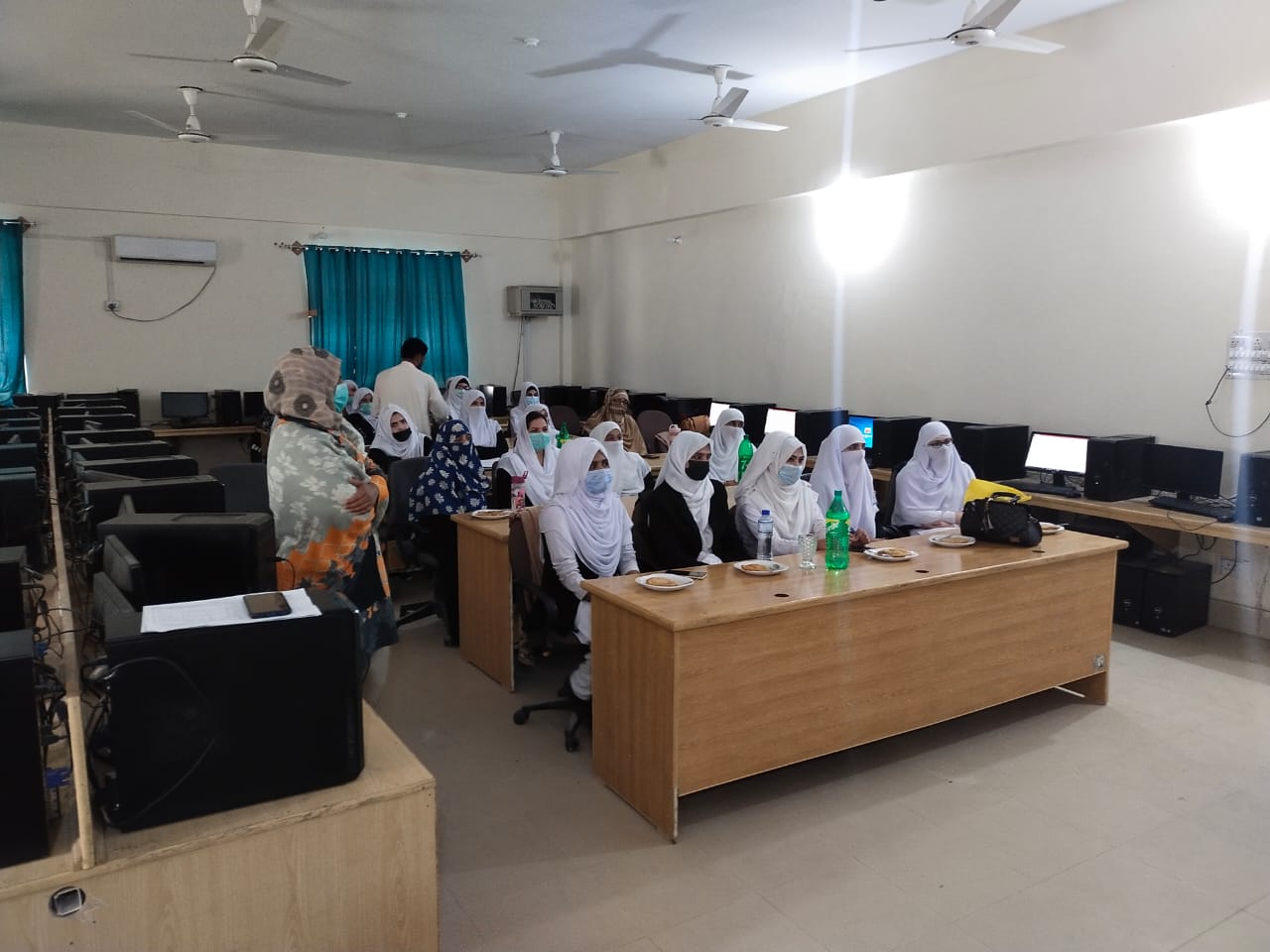
The Department of Software Engineering at the University of Mianwali is committed to providing quality education through modern technological infrastructure, qualified faculty, and a supportive learning environment. The department offers well-equipped computer laboratories, high-speed internet, multimedia classrooms, and access to digital research resources.
With a strong focus on practical training and industry-oriented education, the department prepares students with up-to-date software engineering knowledge, hands-on experience, and essential professional skills. Faculty and students actively engage in research and development activities, and graduates are serving successfully in software development, education, and research roles at national and international organizations.
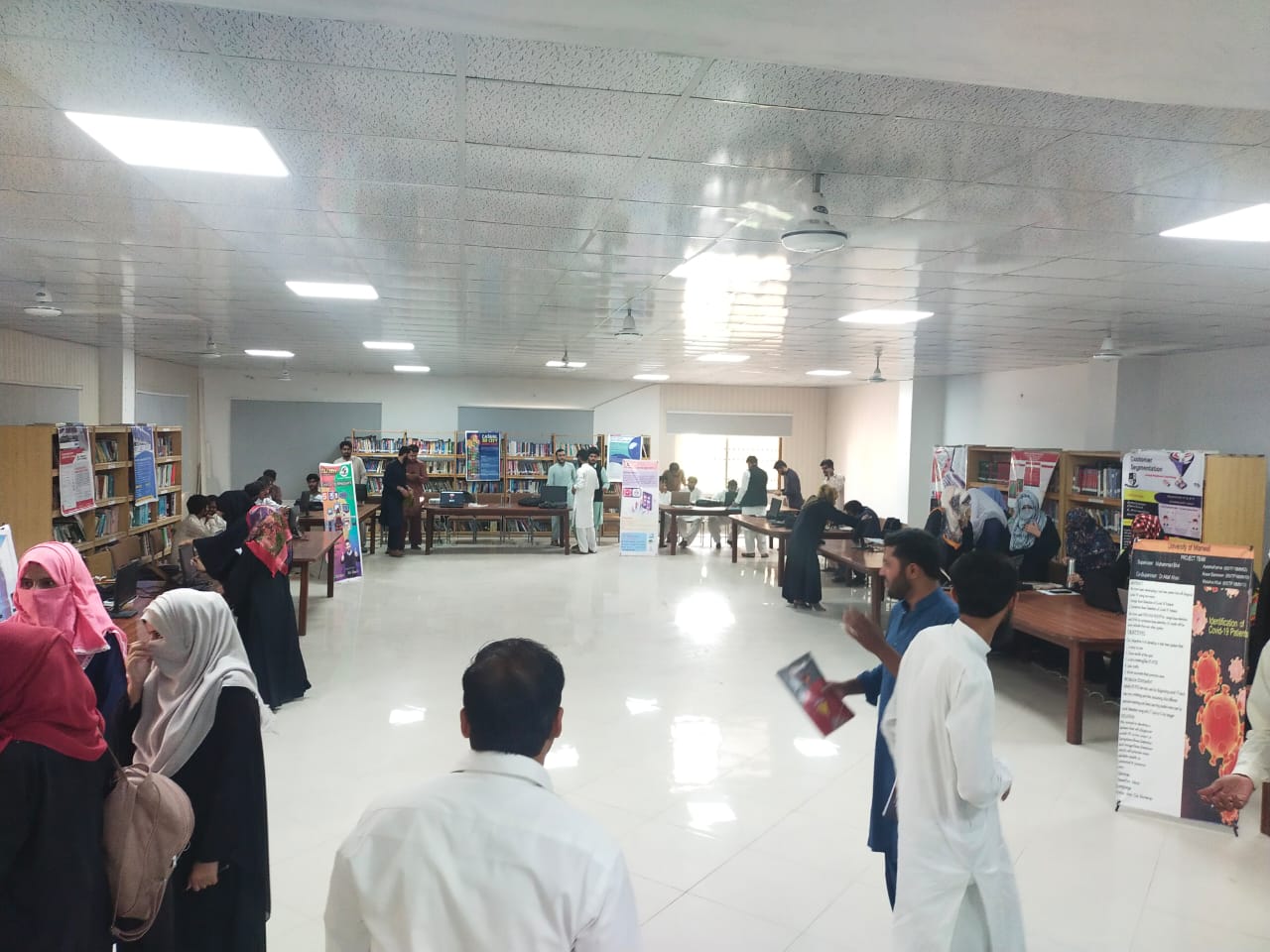
Central Library is an academic hub of research and discovery for the UMW community. CL offers outstanding multidisciplinary resources and services in support to university academic and research objectives. This prestigious library of University of Mianwali has also been striving to support its users to solve the Socioeconomic issues prevailing these days. CL is equipped with all required sources of information both in hard and digital formats. In addition to the facilities, our library is committed to accomplish the most pivotal role in information acquisition, organization, retrieval, access and use. The managers have always been focusing on enhancing the quality of system and services. Students, faculty, researchers and other stakeholders are encouraged, motivated and facilitated to take maximum benefit of the library. It is a matter of satisfaction that we have developed our web online public access catalogue (OPAC) that can help the users to reach our library database worldwide and remotely accessible 24/7.
- Computer Science Lab
- Software Engineering Lab
- Data Science Lab
- DLD Lab
GALLERY
BS Software Engineering
Duration
The duration required to complete this degree is 4 years.
Semesters
Students are required to pass 8 semesters for the completion of this degree.
Credit Hours
Students must complete 130 credit hours for this degree.
Eligibility
At least 50% marks in Intermediate (HSSC) examination with Mathematics or equivalent qualification with Mathematics certified by IBCC
FACULTY
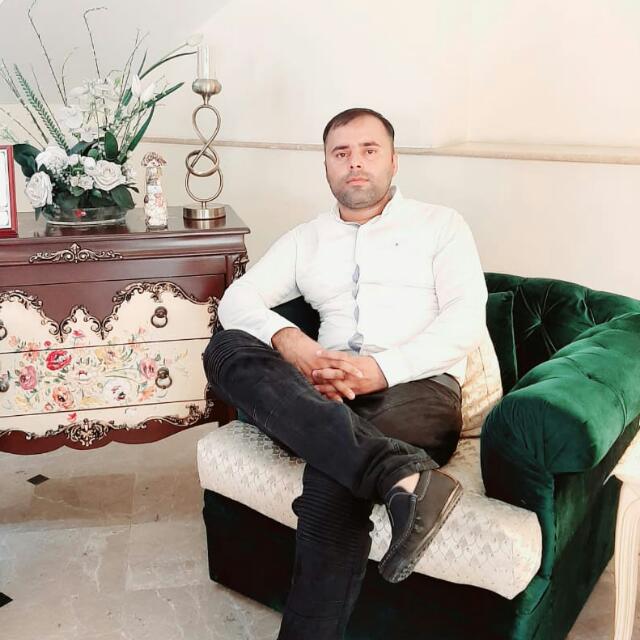
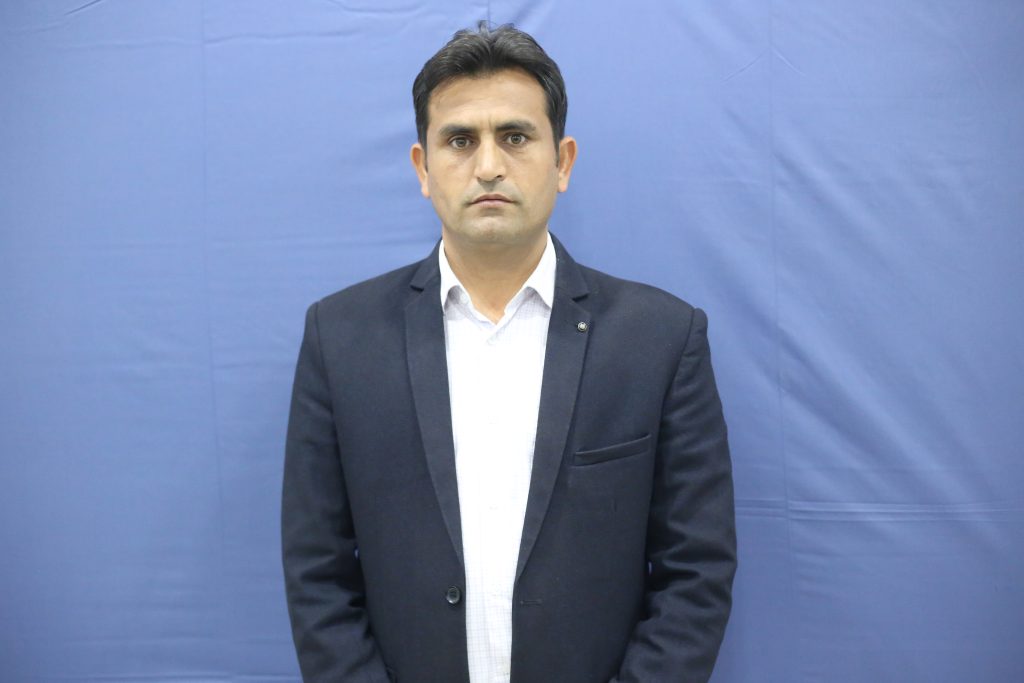
Dr. Altaf Khan
Assistant Professor (HOD)
Dr. Altaf Khan
Assistant Professor (HOD)
Aditional Duties
• Incharge
Publications
1. A Khan, A Chefranov, H Demirel, Image scene geometry recognition using low-level features fusion at multi-layer deep CNN, Neurocomputing 440, 111-126, 2021.
2. A Khan, A Eker, A Chefranov, H Demirel, White blood cell type identification using multi-layer convolutional features with an extreme-learning machine, Biomedical Signal Processing and Control 69, 102932, 2021.
3. A Khan, A Chefranov, H Demirel, Image-level structure recognition using image features, templates, and ensemble of classifiers, Symmetry 12 (7), 1072, 2020.
4. A Chefranov, A Khan, H Demirel, Stage classification using two-stream deep convolutional neural networks, Signal, Image and Video Processing 16 (2), 311-319, 2022.
5. A Khan, A Chefranov, H Demirel, Building discriminative features of scene recognition using multi-stages of inception-ResNet-v2, Applied Intelligence, 1-19, 2023.
6. Altaf Khan, Alexander Chefranov, Hasan Demirel, Image Scene Layout Extraction Based on Random Walks Method Using Predefined Weighting Map, Preprint: 01 Jul, 2022 https://doi.org/10.21203/rs.3.rs-1750307/v1.
7. A Khan, AG Chefranov, A captcha-based graphical password with strong password space and usability study, 2020 IEEE International Conference on Electrical, Communication, and Computer Engineering (ICECCE), 1-6, 2020.
8. A Khan, AG Chefranov, H Demirel, Texture gradient and deep features fusion-based image scene geometry recognition system using extreme learning machine, IEEE, 2020 3rd International Conference on Intelligent Robotic and Control Engineering (IRCE), 37-41, 8, 2020.
9. Altaf khan, Learning scene structure using discriminative features of handcrafted and CNN Techniques, Submitted to “Computers and Electrical Engineering” COMPELECENG-D-23-04806, under review.
Global ranking :
https://scholar.google.com/citations?user=Ixgr4jQAAAAJ&hl=en
- Phone:0459-920270 Ext 123
- Email:csit@umw.edu.pk
Dr. Eid Rehman
Assistant Professor
Asif Raza
Lecturer
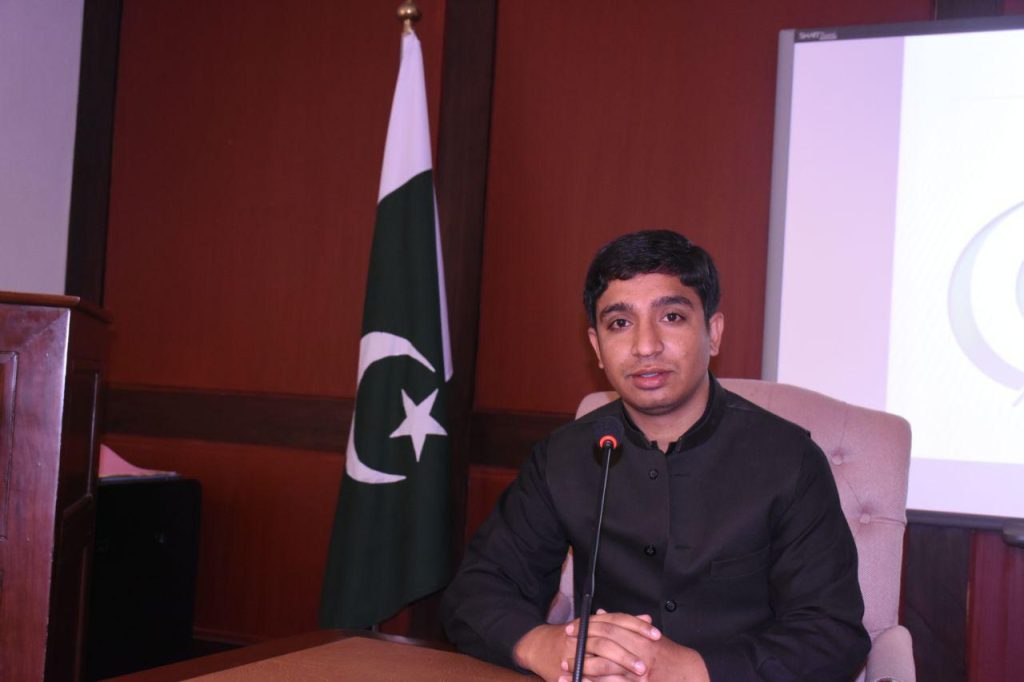
Asif Raza
Lecturer
Publication
• Comparative Analysis of Machine Learning Algorithms for Fake Review Detection A Raza, M Bilal, MF Rauf - International Journal of Computational Intelligence in Control, 2021
• Ontological automation of software essence kernel to assess progress of software project F Ali, A Raza, MM Iqbal, T Nazir - Mehran University Research Journal Of Engineering & …, 2022
• A Raza, Farooq Ali, Javed Iqbal, Syed Adnan Shah, Muhammad Munwar, Tahira Nazir (2020), Sketch-based Face Recognition Using Histogram Based Feature Descriptors, International Journal of Imaging & Robotics, Volume 20, Issue 4. 2020. PP 42-52
Research Interest
Machine Learning, Computer Vision, Image Processing, Pattern Recognition
Global ranking :
https://scholar.google.com/citations?hl=en&view_op=list_works&gmla=AH70aAWHua--cZUmCZ4VNlIsdliGq_-9y9LRos--11IPs4lf0_fKRhyb6VKg6vQwfLZE20mIvA4g34462NFB3SMRT-undWhtje46aDaB9hUy&user=tfvQdYQAAAAJ
- Email:asifraza.uet@gmail.com
Dr. Ali Raza
Lecturer
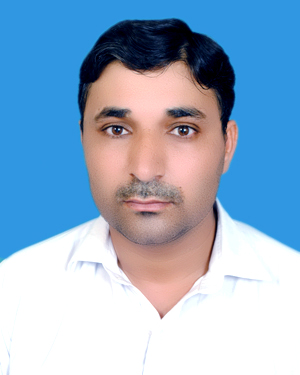
Dr. Ali Raza
Lecturer
• A Raza, S Ahmed, M Bibi, M Rehan, H Anwar, Automatic Fake News Detection: Issues and Solutions, International Journal of Computing and Communication Networks 2 (1), 21-28, 2020.
• AA Taan, SUR Khan, A Raza, AM Hanif, H Anwar, Comparative Analysis of Information Retrieval Models on Quran Dataset in Cross-Language Information Retrieval Systems, IEEE Access 9, 169056-169067, 2021.
• A Raza, S Zafar, SU Rehman, U Khattak, Software Architecture Evaluation Methods: A Comparative Study, International Journal of Computing and Communication Networks 1 (2), 1-9, 2019
- Phone:+923426805509
- Email:aliraza.1354@gmail.com
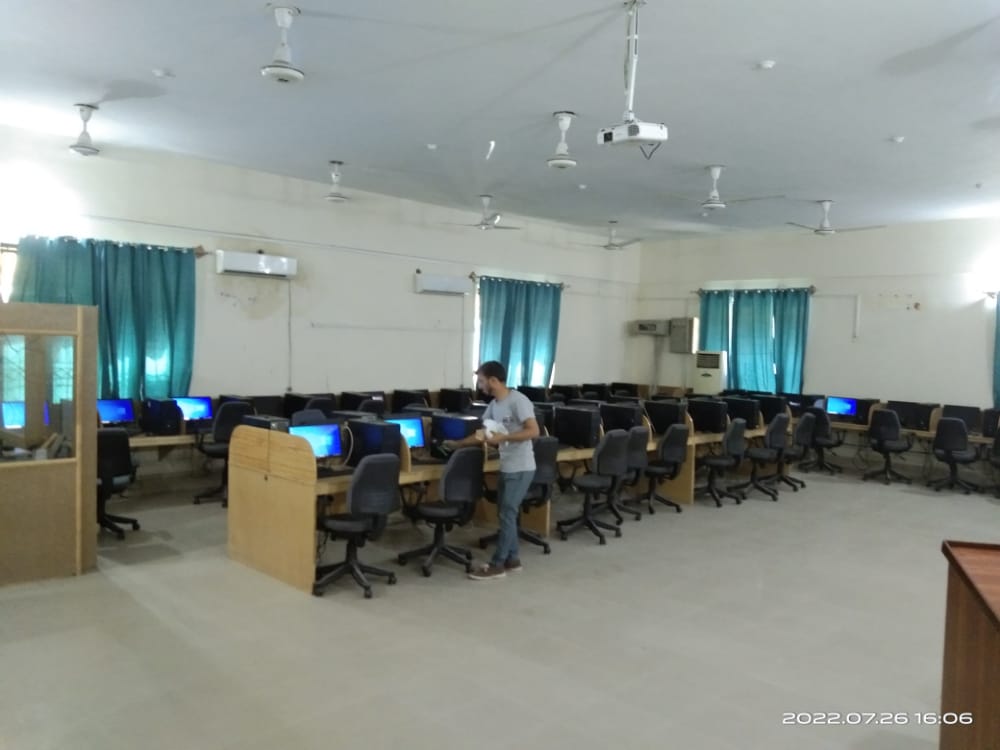
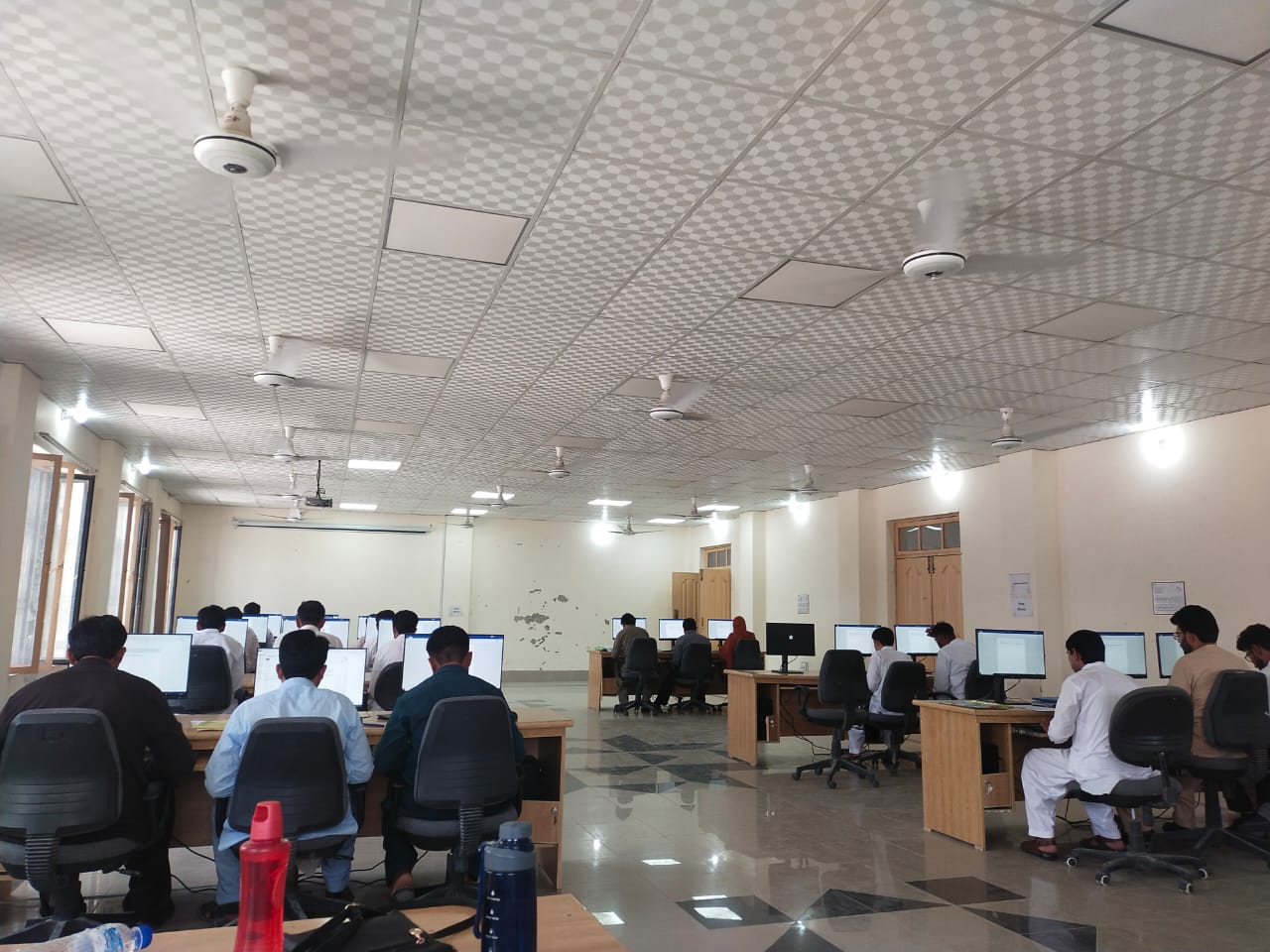
“Welcome to our state-of-the-art software engineering lab, equipped with 50 of the latest 12th Generation computers. Our lab provides an ideal environment for students and professionals alike to explore and engage in cutting-edge software development practices. Each computer is equipped with high-performance hardware and software configurations, ensuring optimal performance and productivity for all users. Our lab offers a diverse range of development tools, integrated development environments (IDEs), and software frameworks to cater to various programming languages and technologies. Whether you’re working on web development, mobile app development, artificial intelligence, or any other software project, our lab has you covered. Additionally, our dedicated team of experienced lab assistants is always available to provide guidance, support, and assistance whenever needed. Join us in our software engineering lab to enhance your programming skills, collaborate with fellow developers, and bring your innovative ideas to life.”
Welcome to our robust data center, housing three powerful servers that form the backbone of our infrastructure. Our data center provides a secure and reliable environment for hosting and managing critical applications and services. One of our servers is dedicated to hosting our website, powered by the PERN stack (PostgreSQL, Express.js, React.js, and Node.js). The PERN stack offers a versatile and scalable framework for developing modern web applications. With this setup, we can ensure optimal performance, scalability, and responsiveness for our website visitors. Our dedicated team of IT professionals ensures the seamless operation of our data center, including regular maintenance, security updates, and backups to safeguard your data. Join us on our website hosted on our data center server and experience a fast, secure, and user-friendly online presence.